

The debate around Pennsylvania’s potential PA cannabis tax revenue represents one of the most important aspects of legalization discussions. With projections showing the state could generate $1.3 billion from cannabis taxes, understanding where this PA cannabis tax revenue might be allocated helps residents see the real benefits of legalization. This money could address critical needs across the state while supporting communities most affected by past cannabis laws.
Governor’s Plan for PA Cannabis Tax Revenue
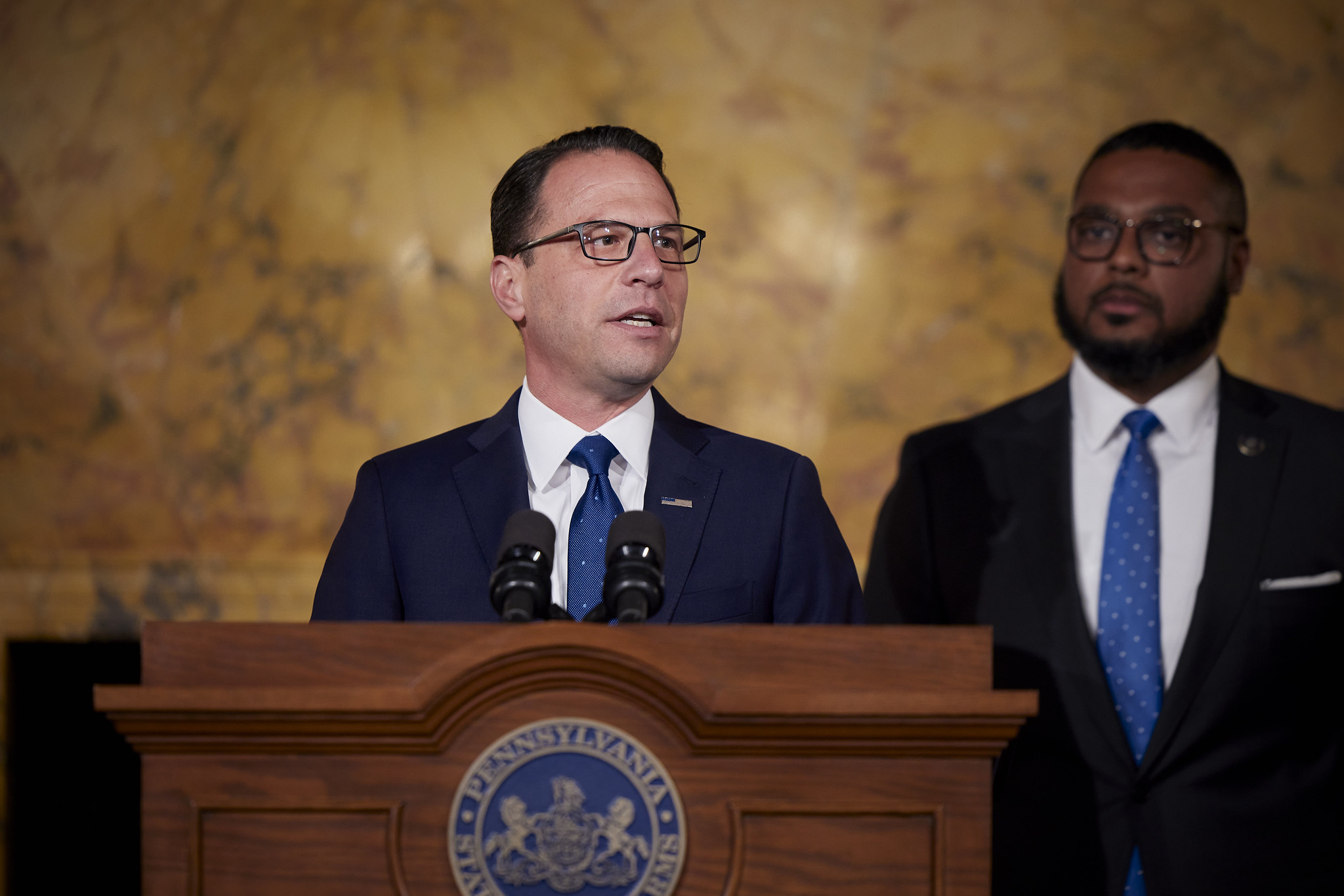
Governor Shapiro’s budget proposal strategically incorporates this potential new income stream. Specifically, his administration anticipates $536.5 million in first-year revenue from a proposed 20% wholesale tax, which would be allocated across several critical state priorities:

- Budget Deficit Relief: A significant portion is earmarked to directly address the state’s structural budget deficit, which currently stands at approximately $4.5 billion. This immediate injection of funds would help prevent deep cuts to essential public services without raising other taxes.
- Restorative Justice Programs: The proposal designates $52.2 million specifically for social equity initiatives. This funding is intended to repair the harms caused by the war on drugs and could include grants for small businesses in disproportionately impacted communities, job training funding, and support for expungement clinics to clear past cannabis convictions.
- General Fund & Administrative Support: The remaining revenue would flow into the state’s general fund. This fund supports a wide range of public services from healthcare to public safety. Furthermore, a portion of this will cover the operational costs of establishing and running the new cannabis regulatory apparatus to ensure a safe and compliant market.
In essence, this balanced approach aims to use the revenue for both immediate fiscal relief and long-term, transformative community investment. The administration anticipates $536 million in first-year cannabis tax revenue from a proposed 20% wholesale tax.
Learning from Other States’ Cannabis Tax Revenue
Pennsylvania has a unique opportunity to learn from the successes and failures of states that legalized before us. Consequently, analyzing their models provides a crucial blueprint for effectively allocating tax revenue and avoiding common pitfalls.

New Jersey: New Jersey’s rollout serves as a cautionary tale regarding high barriers to entry. Extremely high licensing fees and complex regulations initially stifled small businesses, allowing large operators to dominate the market. Pennsylvania can learn from this by designing a more accessible licensing framework to ensure a competitive and equitable market.
Illinois: Illinois has been praised for its intentional focus on social equity. The state directs a significant portion of its cannabis revenue to the Restore, Reinvest, and Renew (R3) program. R3 offers grants to communities disproportionately impacted by economic disinvestment, violence, and the war on drugs. This provides a model for PA to directly reinvest in communities that suffered the most from prohibition.
Colorado: As a pioneer, Colorado has consistently funneled millions into tangible public benefits. A large share of its tax revenue supports public school construction and substance abuse treatment and prevention programs. This demonstrates how cannabis funds can be visibly reinvested into state infrastructure and public health, creating long-term benefits for all residents.
Social Equity and Community Investment
Building on models from states like Illinois and Colorado, a critical debate in Pennsylvania centers on using cannabis revenue for restorative justice. This means actively directing funds to repair the specific harms caused by the war on drugs, moving beyond general budget relief to address historical inequities directly.New chat
Equity Licensing Programs: Beyond grants, this involves using tax revenue to fund technical assistance, low-interest loans, and application fee waivers for social equity applicants seeking to enter the legal cannabis industry. This proactive support helps ensure those impacted by past enforcement have a real opportunity to become business owners in the new legal market.
Automatic Expungement: This would involve funding the court system to automatically identify, process, and seal records for past low-level, non-violent cannabis convictions. This removes barriers to employment, housing, and education for thousands of Pennsylvanians, offering a clean slate and addressing a key legacy of prohibition.
Community Reinvestment Grants: Funds would be directly allocated to communities—often Black and Brown neighborhoods—that faced the highest rates of arrest and incarceration. This money could fund initiatives like job training programs, community center upgrades, small business loans, and neighborhood improvement projects, addressing economic disinvestment at its root.
Philadelphia’s Potential Benefits
For Philadelphia, this revenue represents a potential catalyst for addressing persistent, critical funding challenges. Well-structured legislation could direct significant funds to municipal programs that directly impact residents’ quality of life.

Local Economic Development: The city could establish grants and low-interest loan programs specifically for Philadelphia-based entrepreneurs, especially social equity applicants, looking to open ancillary businesses or dispensaries. This fosters local ownership, creates jobs within the city, and ensures the economic benefits of legalization are felt directly in Philadelphia neighborhoods.
SEPTA Funding Stabilization: The city’s public transit system faces a catastrophic $240 million fiscal cliff that threatens severe service cuts, higher fares, and delayed maintenance. A dedicated stream of cannabis revenue could provide a stable, annual funding source to preserve essential transit routes and ensure affordable, reliable transportation for all Philadelphians.
Public School Support: Philadelphia schools are perennially underfunded. This revenue could supplement state funding increases to directly reduce class sizes, update outdated textbooks and technology, and repair crumbling school infrastructure. This direct investment would create better learning environments and outcomes for the city’s children.
Moving Forward with Revenue Plans
As discussions continue, the allocation of potential cannabis tax revenue remains a key consideration. Balancing immediate needs with long-term investments will be crucial for maximizing the benefits of legalization.
Pennsylvania has an opportunity to create a model that serves all residents through thoughtful revenue distribution.
Follow our legislative coverage for updates on cannabis revenue plans.
Disclaimer: This analysis examines potential cannabis tax revenue allocation based on current proposals. Final decisions will be made by the Pennsylvania legislature and are subject to change. This article is for informational purposes only.

Leave a Reply