
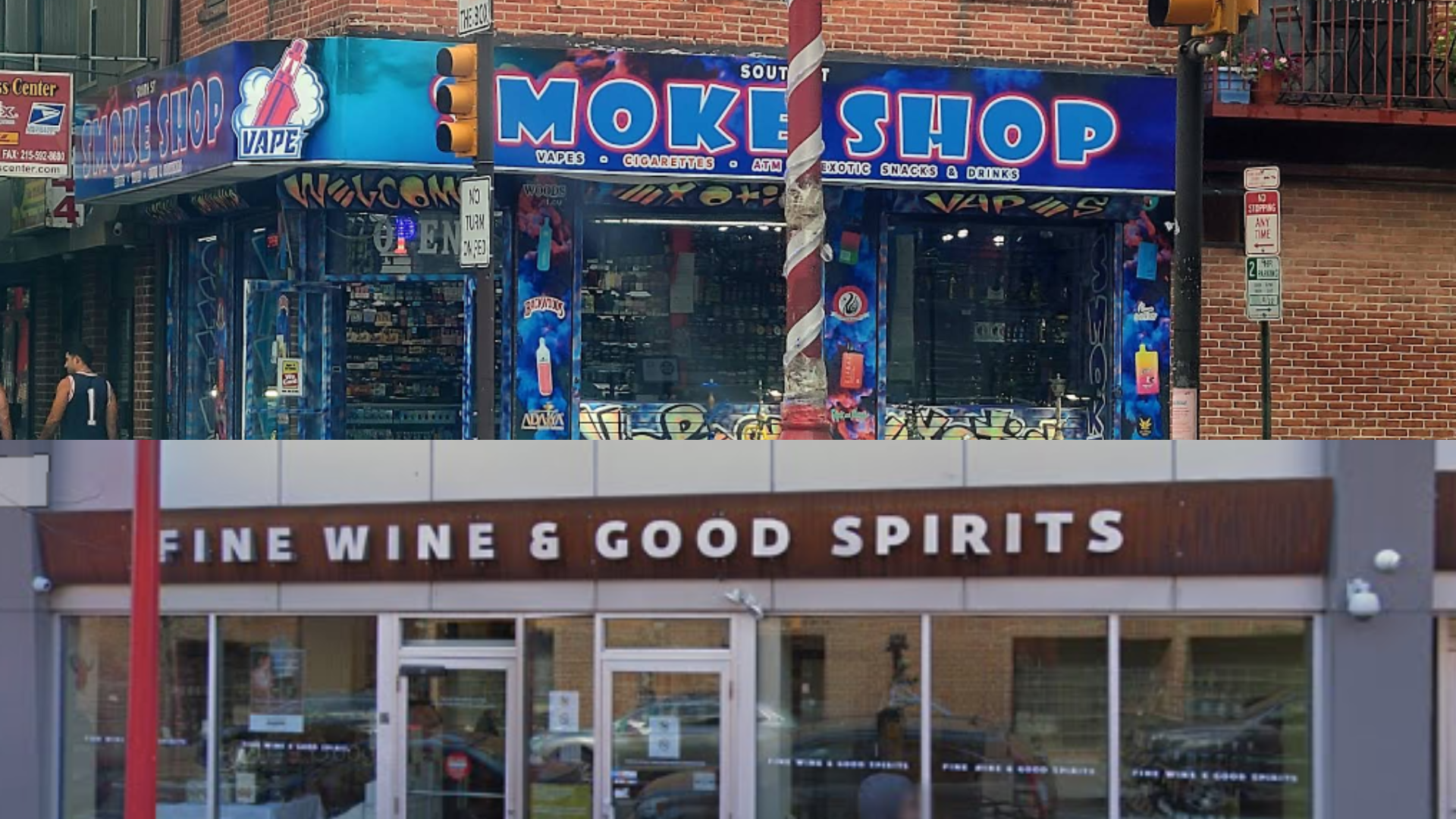

The path to PA cannabis legalization is currently blocked by a major debate: should the state control sales or should private businesses? This decision will affect everything from product prices to how many stores open in Philadelphia. Here’s a clear explanation of both sides.
The Core Issue Holding Up PA Cannabis Legalization

Progress on legalization has stalled because lawmakers can’t agree on a retail model. The House supports a state-controlled system, while the Senate favors a private market. This isn’t just a political argument—the outcome will directly impact your experience as a consumer.
The State-Store Model for PA Cannabis Legalization

One proposal for PA cannabis legalization involves using state-run stores, similar to how Fine Wine & Good Spirits shops operate.
How It Would Work:
- The Pennsylvania Liquor Control Board (PLCB) would manage retail sales.
- The state would own and operate the cannabis stores.
- Private companies could grow and manufacture products, but not sell them directly to the public.
Potential Benefits:
- Higher State Revenue: The government keeps all profits, not just taxes.
- Tighter Control: A uniform system could simplify regulation and enforcement.
- Slower, More Cautious Rollout: The state could limit store density and locations.
The Private-Shop Model for PA Cannabis Legalization
The alternative vision for PA cannabis legalization is a licensed private market, like the systems in New Jersey and Michigan.

How It Would Work:
- The state would issue licenses to private businesses to own and operate dispensaries.
- These businesses would compete with each other on price, selection, and service.
- The existing medical marijuana dispensaries would likely be first in line for recreational licenses.
Potential Benefits:
- Faster Implementation: Sales could begin much sooner using existing businesses.
- Consumer Choice: More competition often leads to better prices, more product variety, and convenience.
- Economic Opportunity: Creates a path for small business owners and social equity applicants.
Comparing the Two Models for PA Cannabis Legalization
| Feature | State Stores | Private Shops |
|---|---|---|
| Speed to Market | Slower (18-24 months) | Faster (6-12 months) |
| Consumer Access | Fewer locations, limited hours | More locations, competitive hours |
| Pricing | Set by the state | Set by the market (sales, deals) |
| Business Opportunity | Limited to growing/manufacturing | Open to retail, delivery, ancillary |
| State Revenue | Higher (profit + taxes) | Lower (taxes + fees only) |
What This Means for Philadelphia

The outcome of this PA cannabis legalization debate will shape Philadelphia’s landscape. A state model could mean fewer dispensaries, potentially creating “cannabis deserts” in some neighborhoods. A private model would likely lead to more widespread access but requires careful zoning to avoid over-saturation.
The Most Likely Compromise
The final bill will likely be a hybrid model. Possibilities include:
- A cap on the number of private licenses, with the state running some stores.
- A state-controlled wholesale system that all private retailers must buy from.
- Allowing private retail but with strict zoning and licensing rules.
The Bottom Line
The debate between state stores and private shops is the biggest hurdle for legalization. The House prioritizes state control and revenue, while the Senate favors market speed and opportunity. Understanding this conflict is key to predicting when—and how—legal cannabis will finally arrive in Philadelphia.
Check out our constantly updating article Philadelphia Cannabis Laws 2025: Medical & Legalization Guide to learn more about the current standing of cannabis legislation in Philadelphia and PA.
Disclaimer: This analysis is based on current proposed legislation. This article is for informational purposes only and does not constitute legal or political advice. For official information, please refer to the Pennsylvania General Assembly website.

Leave a Reply